Disclosure: This article contains affiliate links. If you buy through them, we may earn a commission at no extra cost to you. Learn more.
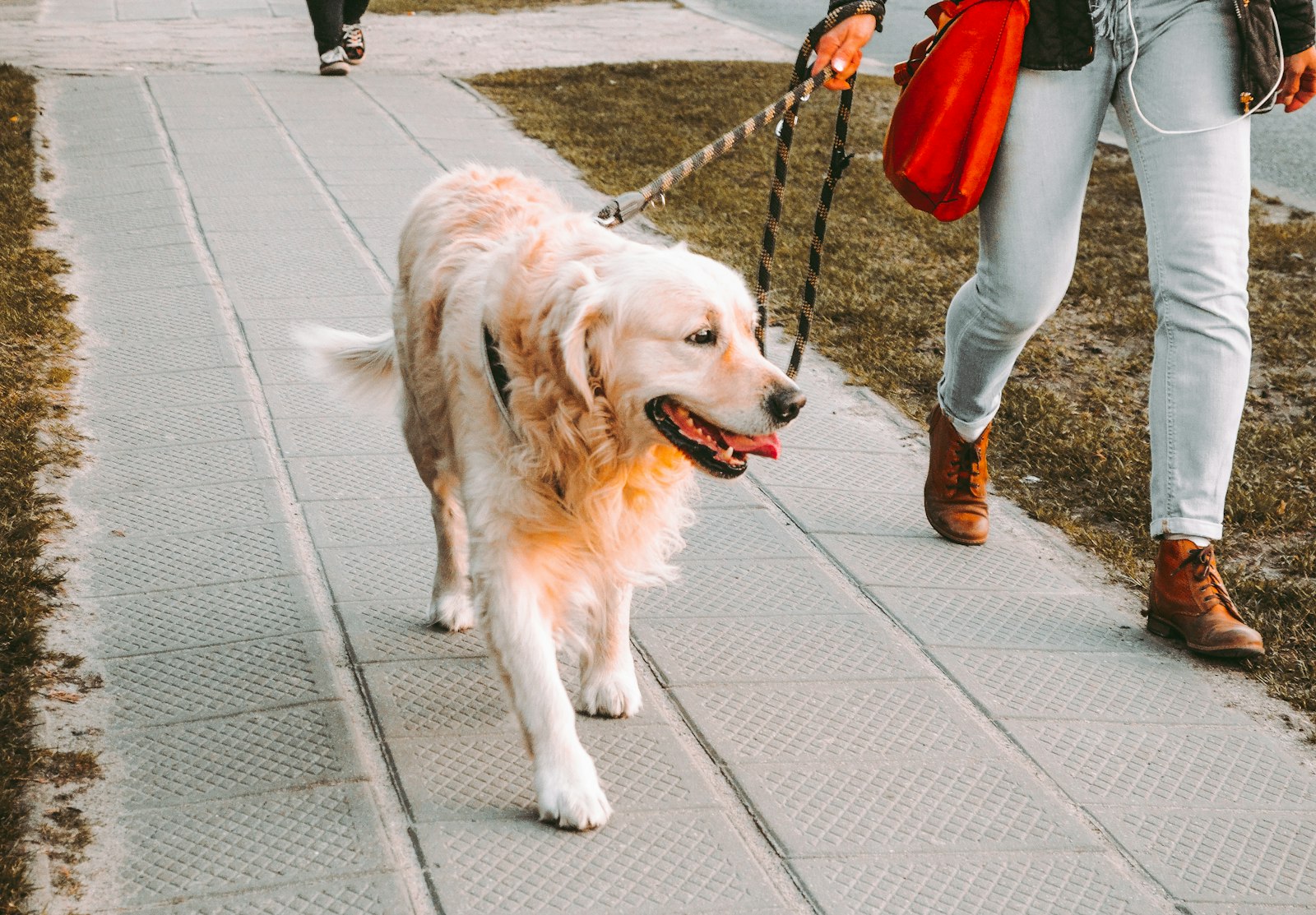
A dog that pulls makes every walk feel like an argument. Collars make it worse - pulling against a collar puts pressure right on the throat. A no-pull harness redirects that pressure and gives you a way to train without anyone getting hurt.
Here is how a harness helps, what to look for, and how to introduce it properly.
Why a harness, not a collar
A harness distributes pressure across the chest and shoulders instead of the neck. That protects the throat and, just as importantly, gives you a front clip point that gently turns the dog back toward you when they pull.
Our pick
No-Pull Dog Harness
Best for walksBest for: Control without choking on daily walks
- Front and back clip points
- Padded and comfortable
- Reflective trim
- Sizing takes care
- Not escape-proof for determined dogs
A padded harness with both front and back clip points is the most versatile. The front clip is for training and reducing pulling; the back clip is for relaxed walks once the pulling is under control. Reflective trim helps on early-morning and evening walks.
Introducing the harness
- Let the dog sniff and see the harness first
- Put it on for short, positive sessions indoors
- Reward calm behavior, then move to short walks
What a harness does not do
A harness is a training aid, not a cure. It makes pulling less comfortable and more manageable, but lasting change comes from consistent loose-leash training. The good news is that training is much easier with the right tool.
Frequently Asked Questions
Front clip or back clip for pulling?
The front clip reduces pulling by turning the dog toward you. The back clip is more comfortable for relaxed walks. A harness with both gives you options.
How do I size a harness?
Measure around the chest behind the front legs, and follow the brand’s sizing chart. A properly fitted harness lets two fingers slide under the straps.
Can a harness hurt a dog?
A well-fitted harness is safer than a collar for a pulling dog. Check for rubbing, especially under the armpits, and adjust the fit.