Disclosure: This article contains affiliate links. If you buy through them, we may earn a commission at no extra cost to you. Learn more.
Newborn feeding is a relentless cycle of bottles, washing, and drying that repeats every few hours. The gear that matters is not glamorous - it is the stuff that cuts the cleanup time in half and keeps everything sanitary.
Here is the feeding setup that makes the first months feel slightly less like a dishwashing job.
The sterilizer and dryer
Bottle Sterilizer and Dryer
Best bottle routineBest for: Clean, dry bottles without a cluttered counter
- Sterilizes and dries
- Fits many bottle shapes
- One-button operation
- Counter space needed
- Filter needs replacing
A sterilizer that also dries is the single best feeding-gear upgrade. Bottles come out clean, dry, and ready to go, which removes the wet-bottle-on-the-dish-rack problem that drives new parents up the wall.
What else actually helps
- Enough bottles to get through a day without constant washing
- A drying rack with airflow if you skip the dryer
- A dedicated bottle brush that reaches the bottom corners
What you can skip
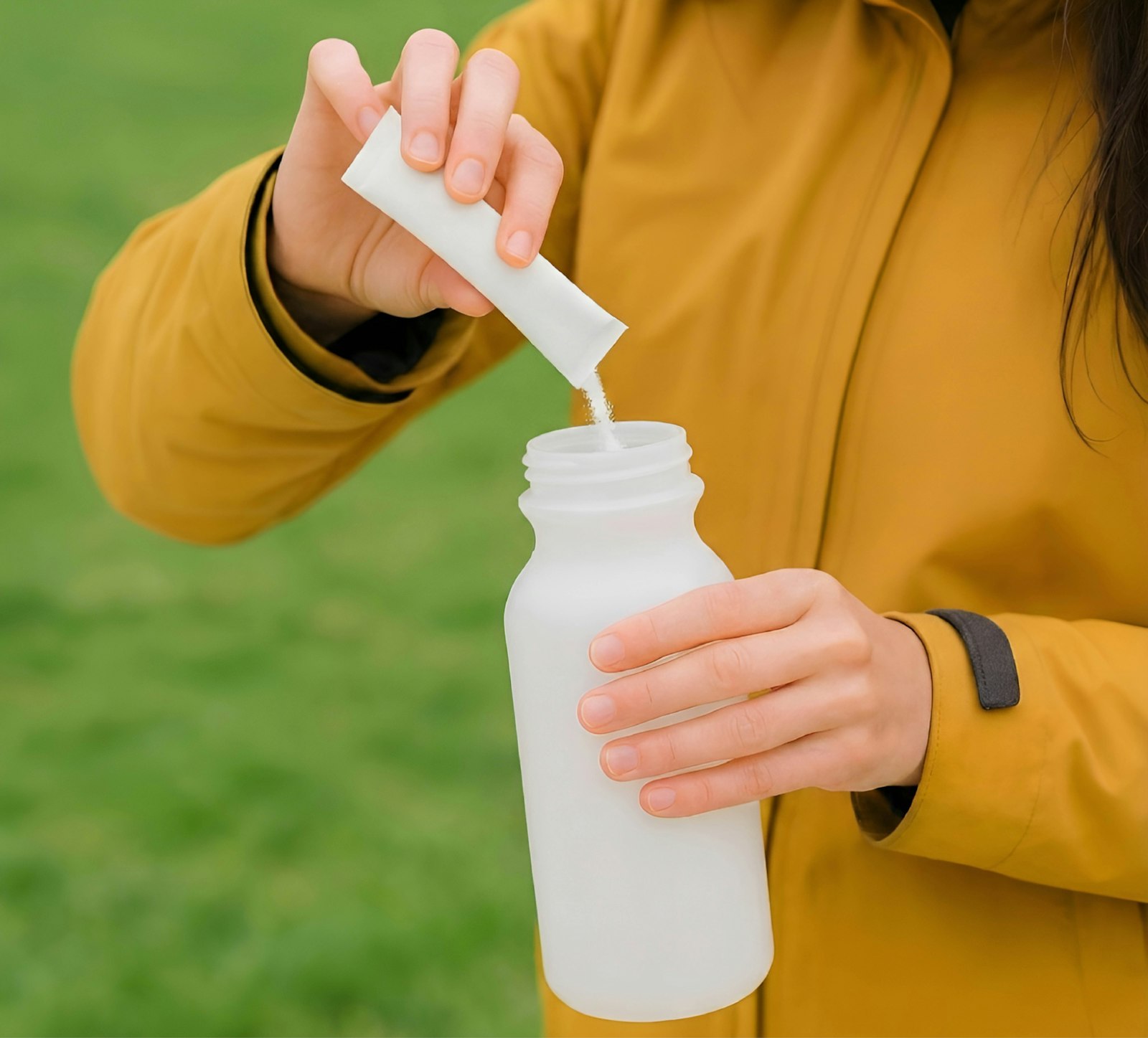
A bottle warmer is nice but not essential - many babies take room-temperature or slightly warm milk fine. A formula dispenser is convenient for travel but a small container does the same job.
The routine
- Rinse bottles right after use
- Run a full load through the sterilizer each evening
- Air-dry anything the sterilizer does not dry
Frequently Asked Questions
Do I really need a sterilizer?
For newborns and the first months, sanitizing is recommended for bottles. A sterilizer with a dryer makes the process far more convenient, but careful hand-washing and boiling also work.
How many bottles do I need?
Most families settle on six to ten bottles to get through a day without constant washing, depending on feeding frequency.
Is a bottle warmer necessary?
No. Many babies accept room-temperature milk, and warm water in a bowl does the same job if needed.