Disclosure: This article contains affiliate links. If you buy through them, we may earn a commission at no extra cost to you. Learn more.
Some home upgrades are invisible for a week and then impossible to live without. Cleaner air and better-tasting water are exactly that. Neither one is exciting to shop for, but both show up in how you sleep, how your food tastes, and how your sinuses feel.
These are the two categories we would put in the do-not-skip pile, with the specific models that balance performance against the ongoing cost of replacement filters.
Air purifiers: the filter is the product
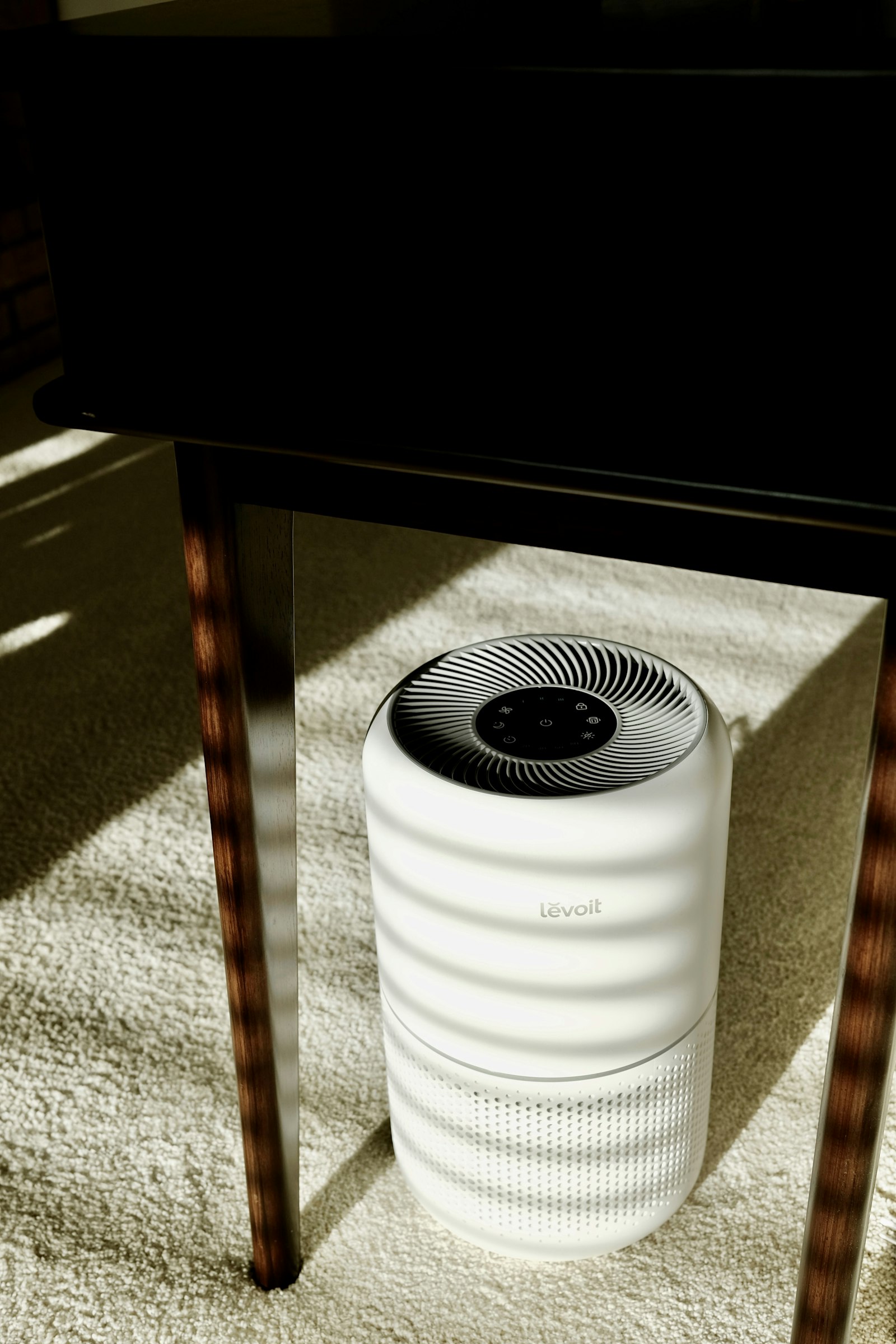
An air purifier is really just a fan pushing air through a filter. That means the ongoing filter cost matters as much as the purchase price. Look for a true HEPA filter, a quiet low setting for the bedroom, and a replacement filter you will actually remember to buy.
Room Air Purifier with HEPA Filter
Best for allergiesBest for: Bedroom or living-room air during pollen and wildfire season
- Quiet on low settings
- Filter replacement is straightforward
- Auto mode adjusts to air quality
- Replacement filters are an ongoing cost
- Larger unit for big rooms
Water filters: fix the taste, not just the marketing
The biggest win from a filter pitcher is simply better-tasting water, which makes you drink more of it. If your tap water tastes fine, you may not need one at all. If it has a chlorine edge, a simple pitcher fixes it for pennies a glass.
Countertop Water Filter Pitcher
Best everydayBest for: Cleaner-tasting tap water without bottles
- Simple to fill and store
- Cheap, widely available filters
- Improves chlorine taste noticeably
- Filters need replacing every few months
- Slower than a faucet filter
The ongoing cost you should calculate first
- HEPA filters: replace roughly every 6-12 months
- Pitcher filters: replace every 2-3 months with regular use
- Both are cheaper than the bottled alternatives they replace
Placement matters more than you think
An air purifier in the bedroom, running on low all night, does more for you than a bigger one in a hallway you barely sit in. Put the machine where you spend your sleeping hours.
Frequently Asked Questions
Do air purifiers help with allergies?
A HEPA purifier can reduce airborne pollen, dust, and pet dander in the room where it runs. It is one part of the picture, alongside cleaning and keeping windows closed on high-pollen days.
Are pitcher filters better than bottled water?
For most people, yes - cheaper, less plastic, and effective at improving taste. They are not a substitute for well-water treatment if you have a contamination issue.
How loud are air purifiers?
Most have a low setting quiet enough for a bedroom. Check the decibel rating on low if noise sensitivity is a concern.