Disclosure: This article contains affiliate links. If you buy through them, we may earn a commission at no extra cost to you. Learn more.
One-bag travel is a philosophy that sounds freeing and looks great on social media. The reality is more nuanced: it is brilliant for some trips and a constant compromise for others.
Here is how to decide whether a travel backpack can replace your suitcase, and which bag is right if it can.
When one-bag travel wins
- Trips with multiple stops, trains, and stairs
- Short trips where you pack light anyway
- Anywhere with cobblestones or no elevators
The bag
Travel Backpack
Best one-bagBest for: Laptop, camera, and clothes in a single carry-on
- Expandable capacity
- Quick camera access
- Weather-resistant fabric
- Expensive
- Heavier than a standard backpack
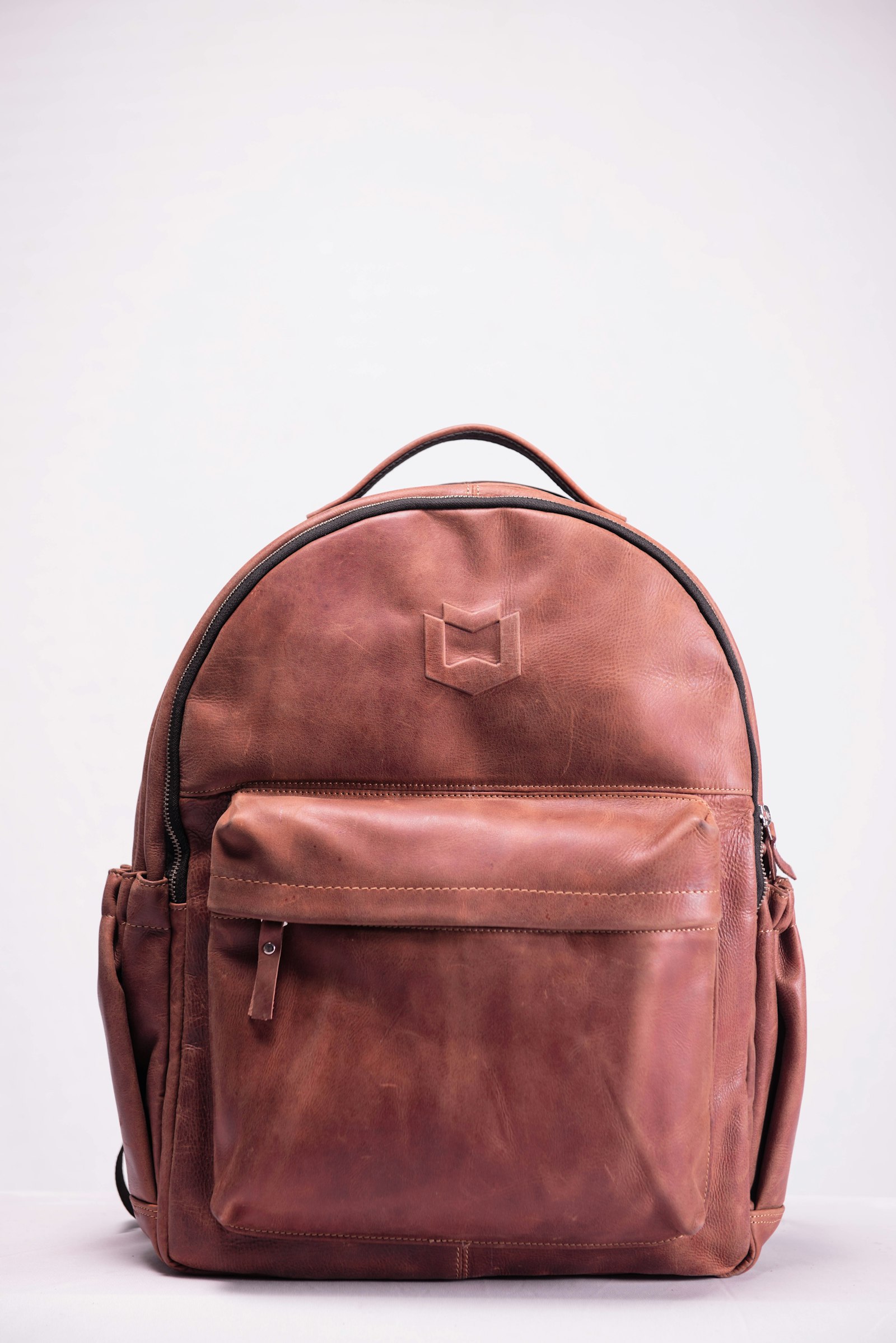
A travel backpack that expands and organizes like luggage but carries like a backpack is the core of the system. Quick access to a laptop and camera, weather resistance, and a clamshell opening make it work for both city trips and outdoor travel.
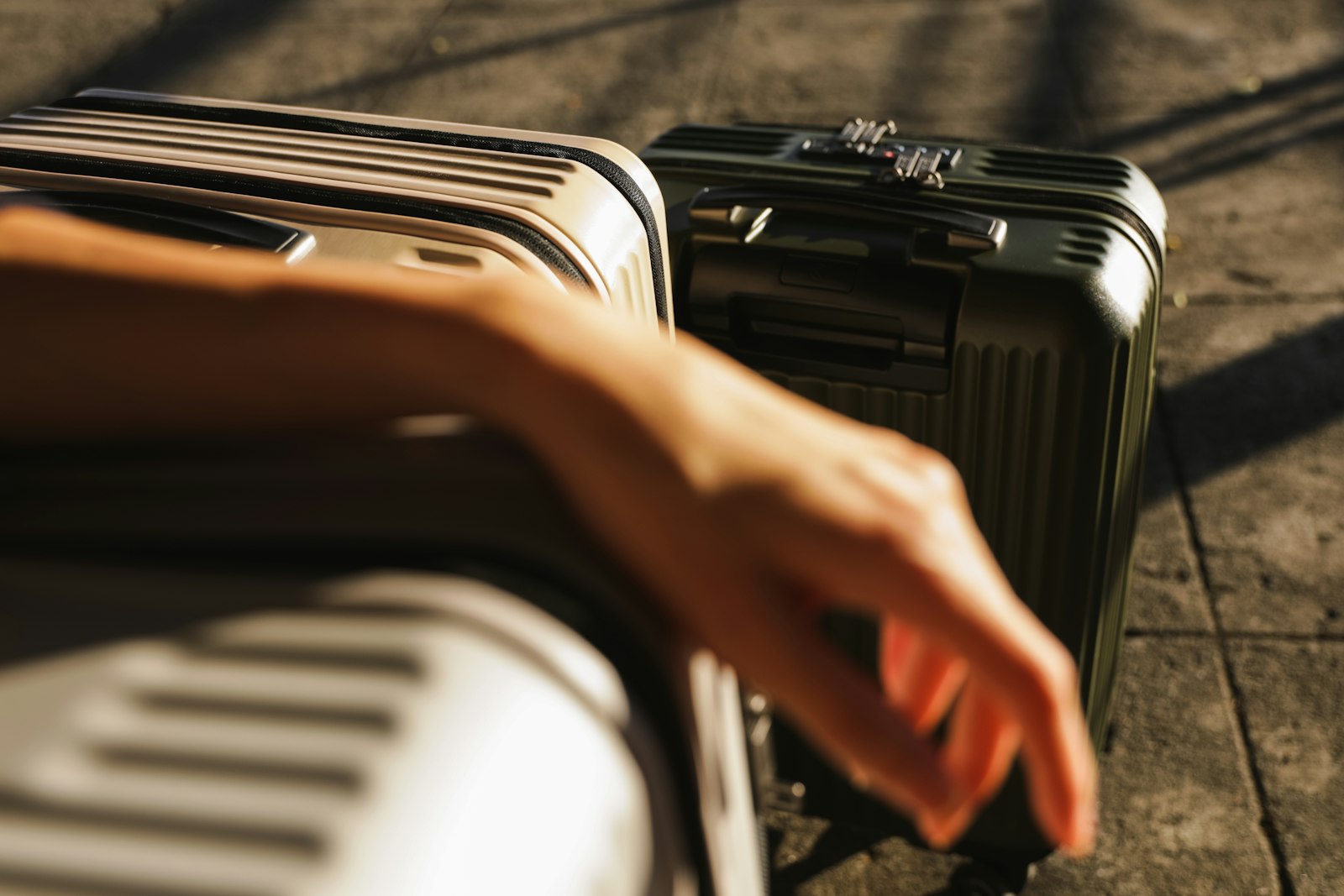
When to keep the suitcase
- Business trips that require several outfits and shoes
- Trips where you will not move hotels
- Travelers with back or shoulder issues who should not carry everything
The packing mindset
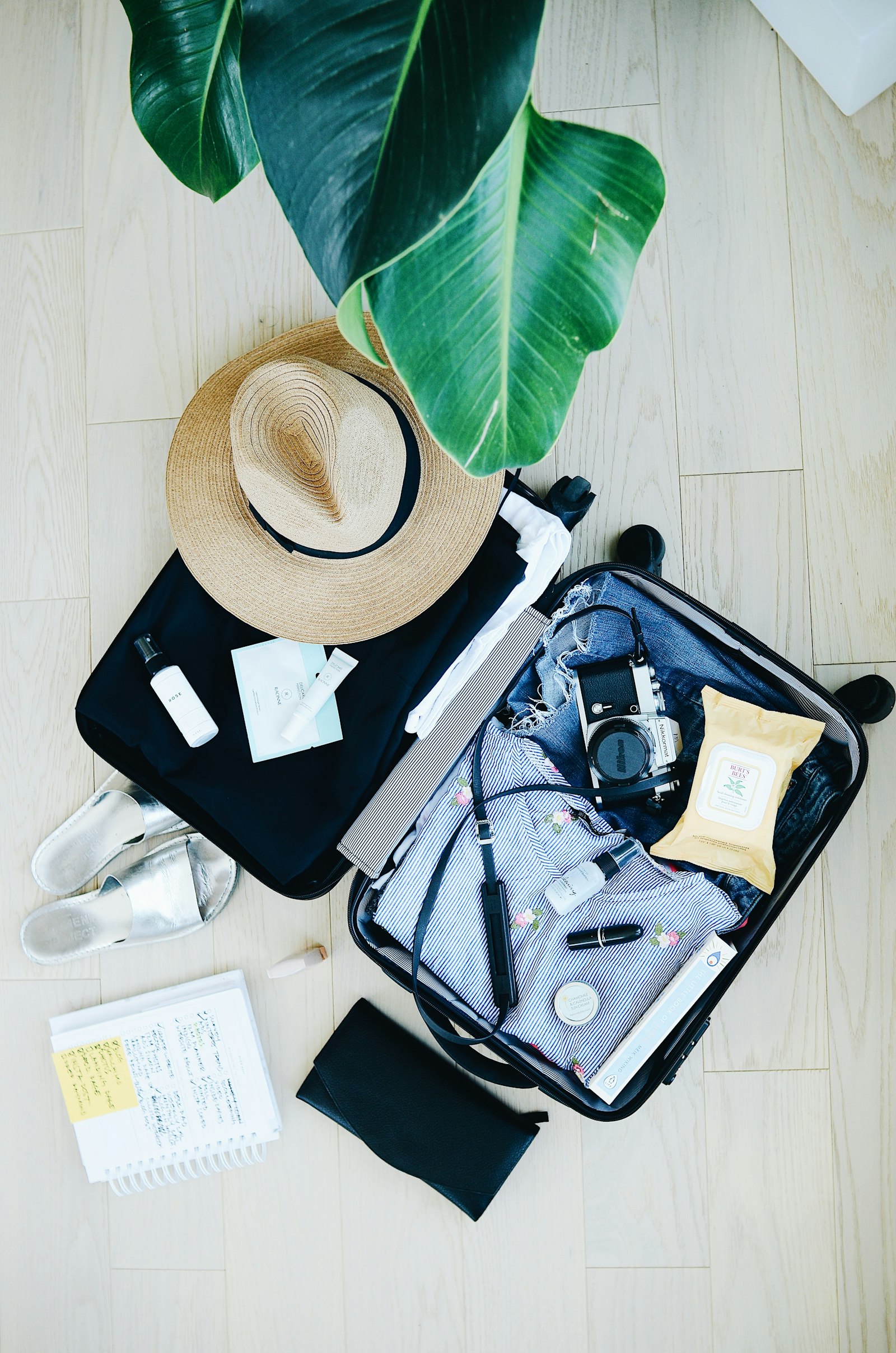
One-bag travel is really a packing discipline: fewer shoes, quick-dry layers, and a willingness to do laundry. The bag matters less than the decision to pack half of what you think you need.
Frequently Asked Questions
How many liters for one-bag travel?
Most one-bag travelers use 35-45 liters, which fits airline carry-on limits while holding enough for a week with smart packing.
Can a travel backpack fit under the seat?
Smaller ones can, but a full 40-liter bag usually needs the overhead bin. Check your airline’s personal-item size if you want to avoid that.
Is one-bag travel cheaper?
It can save checked-bag fees and time, though the bags themselves are often pricey. The real win is speed and mobility, not just money.