Disclosure: This article contains affiliate links. If you buy through them, we may earn a commission at no extra cost to you. Learn more.
Every new hiker overpacks the first few times, then learns the hard way that a too-heavy pack turns a pleasant walk into a slog. The right daypack carries the ten essentials without making you feel like you are training for an expedition.
This is the packing list we actually use for a full day on the trail, plus the pack features that make the whole thing comfortable instead of just tolerable.
The non-negotiables
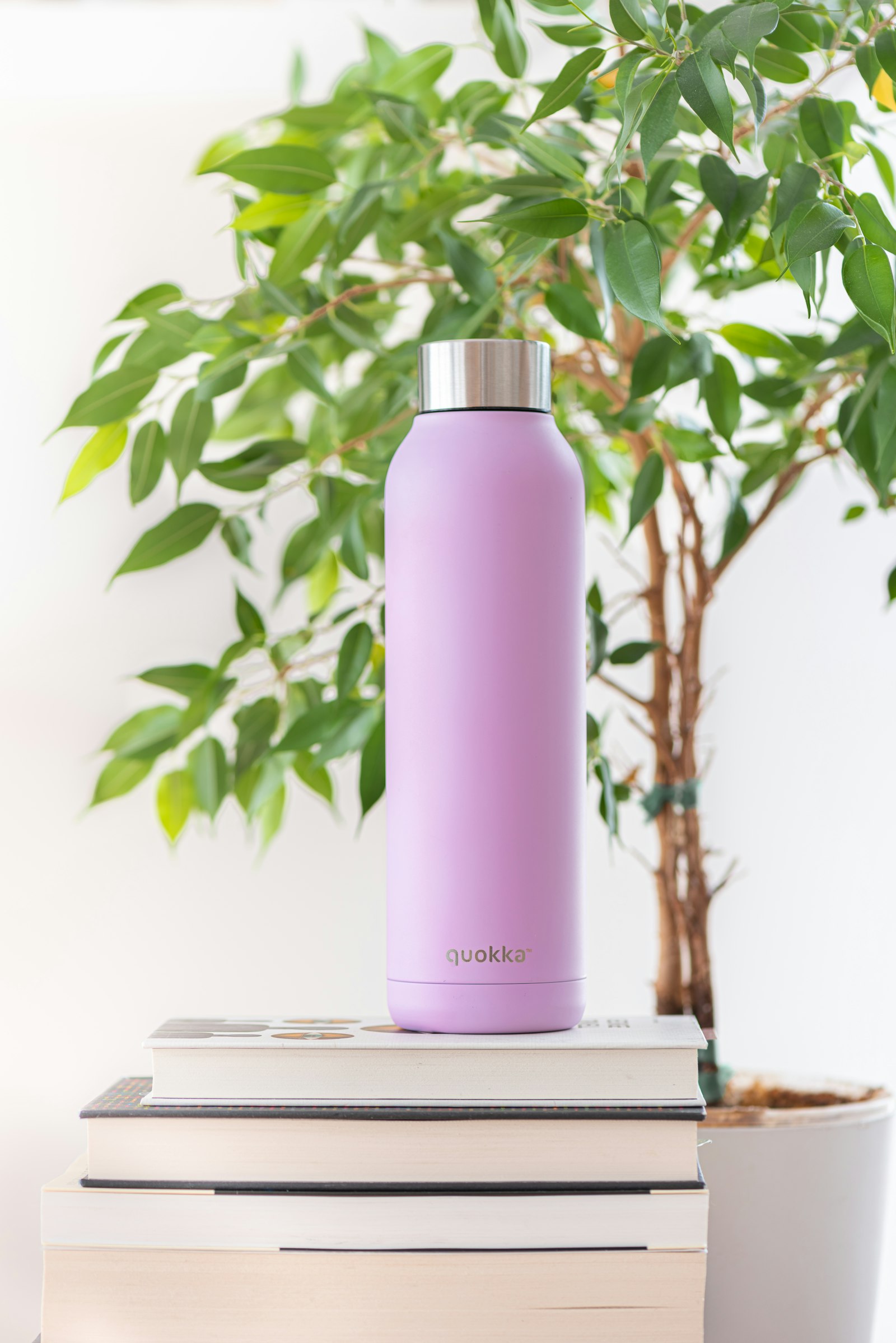
- Water - more than you think, especially on exposed trails
- A layer for wind and rain, even on a clear forecast
- Snacks with salt, not just sugar
- A headlamp, because hikes run long
- A small first-aid kit and a paper map backup
Choosing the pack
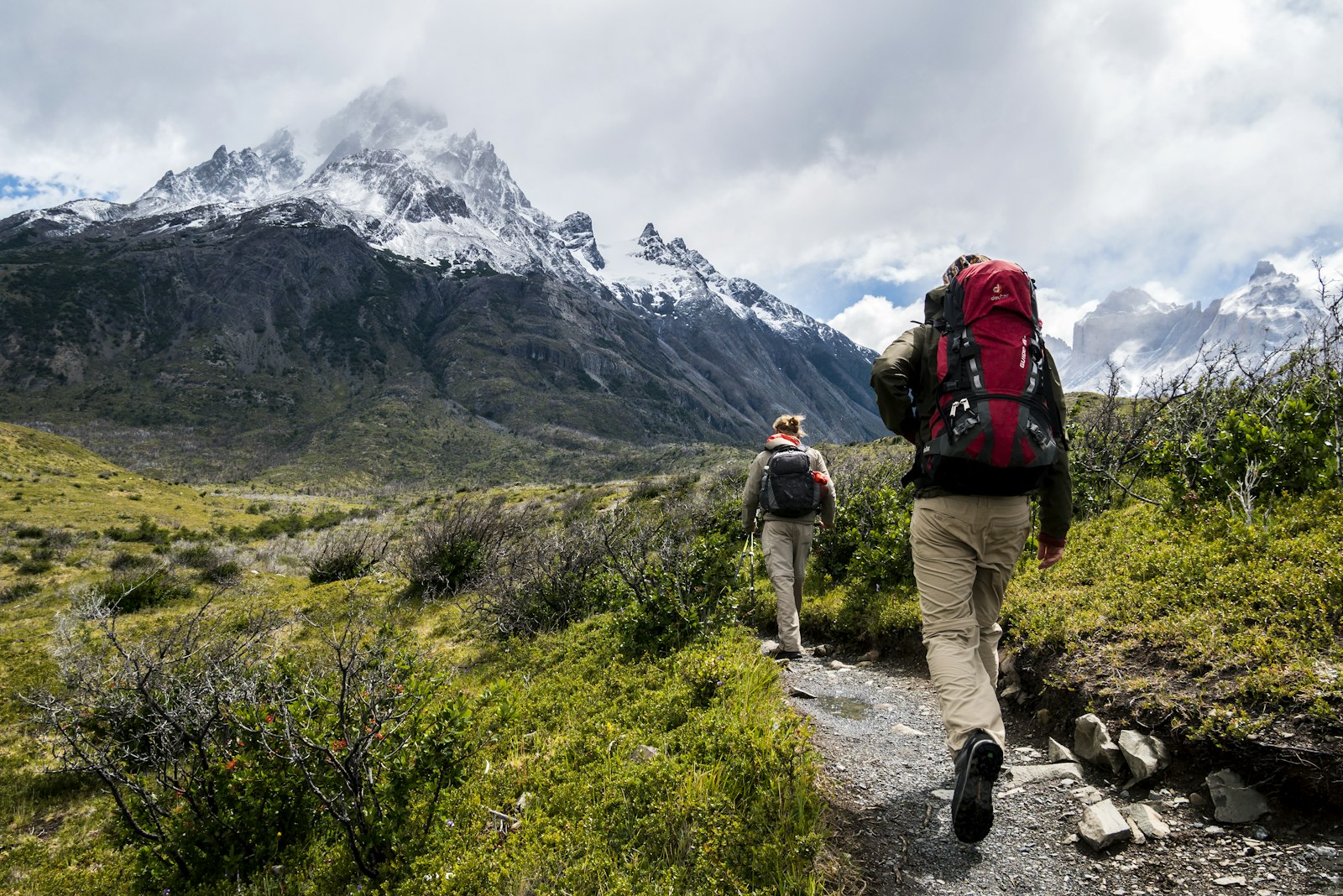
Lightweight Hiking Daypack
Best overallBest for: Day hikes and travel with a comfortable, ventilated carry
- Well-ventilated back panel
- Pockets keep water and snacks reachable
- Lifetime warranty
- Higher price for a daypack
- No built-in rain cover on some sizes
For most day hikes, 20 to 30 liters is the sweet spot. Look for a ventilated back panel, side pockets you can reach without taking the pack off, and a comfortable hip belt that carries weight off your shoulders.
The extras that earn their weight
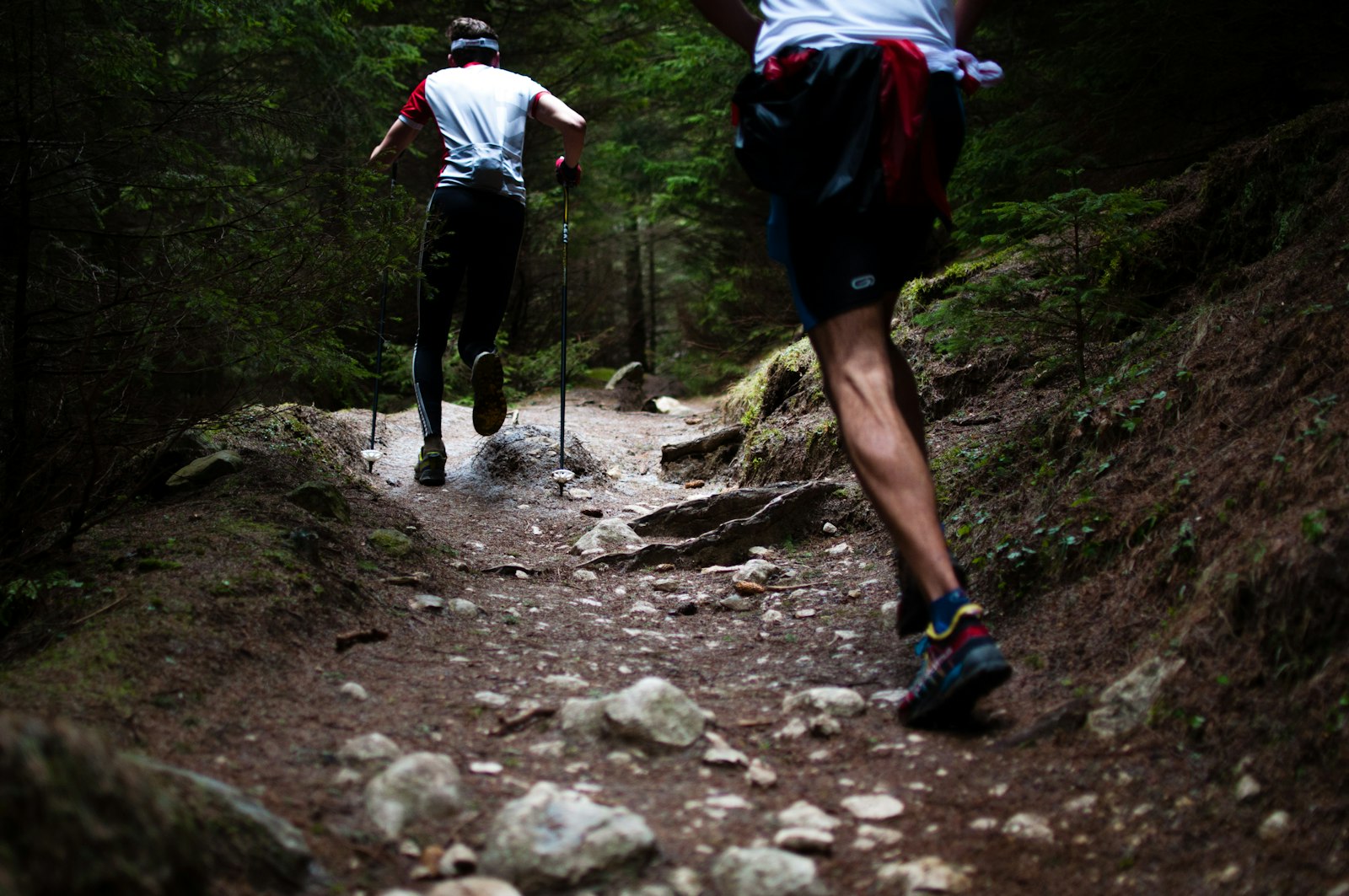
Collapsible Trekking Poles
Best supportBest for: Saving knees on long descents and stream crossings
- Fold to a compact size
- Adjustable length
- Comfortable cork grips
- Tips wear and need replacing
- Collapsed length still long for tiny packs
Rechargeable Headlamp
Best lightingBest for: Night hikes, campsites, and power outages
- Rechargeable via USB
- Bright, adjustable beam
- Comfortable on a bare head or helmet
- Battery life drops on high
- Micro-USB port on some models
Trekking poles feel like overkill until the first steep descent, then they feel essential. A rechargeable headlamp is cheap insurance for the very common mistake of underestimating how long a loop takes.
What to leave at home
- A second spare of everything
- Camping gear on a day hike
- Heavy books or unnecessary electronics
- Water bottles for a hike with no reliable refill points
Frequently Asked Questions
How much water should I carry for a day hike?
A common guideline is about half a liter per hour of moderate hiking, more in heat. Know whether there is a refill point on your route before you commit.
Do I really need trekking poles?
They are optional on flat, smooth trails and genuinely helpful on steep or rocky terrain. Many hikers start without them and buy them after a hard descent.
What size daypack is right?
20-30 liters covers most full-day hikes with layers and food. Smaller packs work for short, warm-weather outings.